Swirl marks and light scratches can make even a well-maintained vehicle look dull. Paint correction uses controlled machine polishing to remove or reduce these defects rather than simply covering them up. For drivers considering paint correction in Ottawa, understanding the process helps set realistic expectations about what can safely be restored.
What Swirl Marks Really Are
Tiny Defects in the Clear Coat
Swirl marks are shallow scratches across the clear coat. Because they scatter reflected light, they create the hazy, circular patterns you see under direct sunlight or strong inspection lights.
Common Causes of Swirls
Poor washing techniques are a major cause. Automatic brush washes, dirty wash mitts, dry wiping, low-quality towels, and washing with a single bucket can all introduce fine scratches over time.
How Paint Correction Works
Leveling the Paint Instead of Hiding the Damage
Paint correction removes a controlled amount of clear coat around a defect until the surface is more level. This reduces the way the scratch reflects light and makes it far less visible.
Glazes and fillers can temporarily hide imperfections, but they do not actually correct the surface. Machine polishing is designed to address the defect itself.
Why Paint Depth Matters
Factory clear coat is relatively thin, so correction has to be performed carefully. A paint depth gauge can help identify areas that require a more conservative approach, particularly on repaired or repainted panels.
What Happens During Paint Correction
Washing and Decontamination
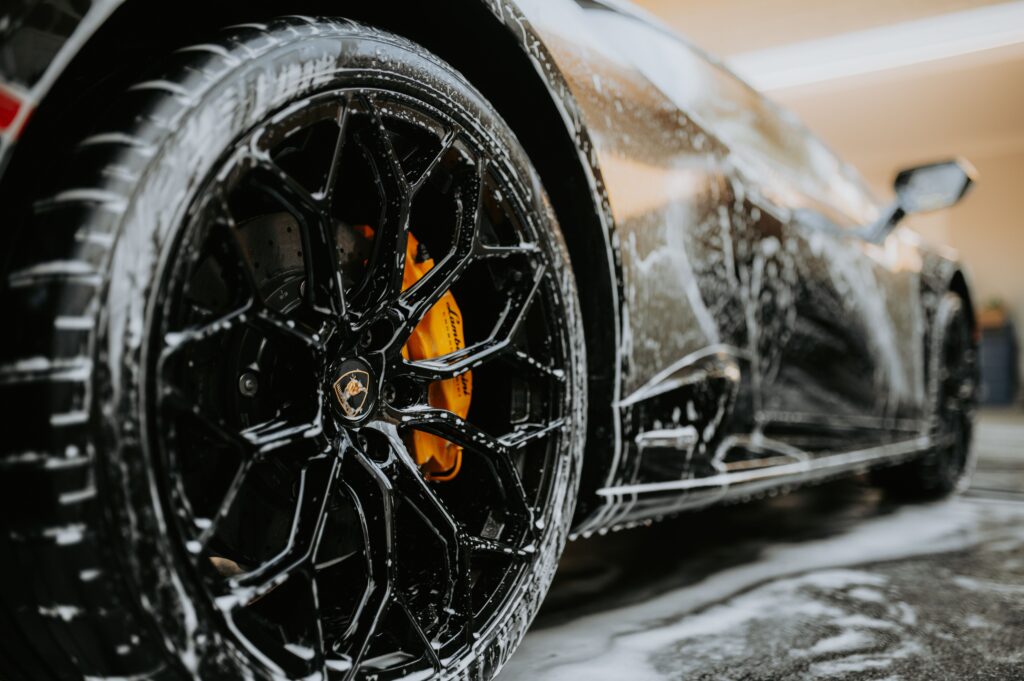
The vehicle is thoroughly washed before correction begins. Iron remover and clay treatment may be used to remove bonded contaminants that could interfere with polishing.
Paint Depth Inspection
Paint thickness is checked across the vehicle where appropriate. Areas with limited material require a more conservative correction strategy.
Test Spot
A small section is corrected first to determine how the paint responds to the selected pad and compound. This helps establish the most effective approach for the rest of the vehicle.
Compounding
A cutting compound and suitable pad are used to address heavier defects. This stage provides most of the correction but can sometimes leave a light haze that needs further refinement.
Polishing
A finer polish and softer pad refine the finish after compounding. This step helps remove remaining haze and improves clarity, gloss, and reflections.
Final Inspection
The surface is wiped down to remove polishing residue and inspected under appropriate lighting. This helps confirm that defects have actually been corrected rather than temporarily hidden by polishing oils.
Choosing Between Single and Multi-Stage Correction
Single-Stage Correction
A single-stage process combines correction and finishing in one step. It can be suitable for vehicles with lighter defects or owners who want a noticeable improvement without pursuing maximum correction.
Two- or Three-Stage Correction
Multi-stage correction uses separate cutting and finishing steps to address more significant defects. It requires more time and can cost more, but it can produce a much more refined finish on heavily marked or neglected paint.
When Paint Correction Cannot Fix the Damage
Not every scratch can be safely polished away. If a scratch catches your fingernail or has gone through the clear coat, polishing alone may not be enough. Touch-up work, refinishing, or body-shop repair may be required.
Protecting Your Corrected Paint
Corrected paint should be protected once the polishing process is complete. Applying ceramic coating can add a durable protective layer and make future maintenance easier.
Pairing ceramic protection with professional paint correction also helps preserve the finish by making regular washing and maintenance easier.
Frequently Asked Questions
How long do paint correction results last?
The correction itself can last for years because the defects have been physically reduced rather than temporarily covered. How long the finish stays swirl-free depends heavily on washing technique and ongoing protection.
Can paint correction be repeated?
Yes, but it should not be treated as a routine cleaning service. Each correction can remove some clear coat, so future sessions should be based on the condition and remaining paint thickness.
Does paint correction fix rock chips?
No. A rock chip means paint or clear coat is missing rather than simply scratched. It may require touch-up or professional repair.
How many stages does my car need?
The appropriate number of stages depends on the condition and hardness of the paint, along with the level of correction you want. Saiibu Autos can use a test spot to determine the most suitable approach.
Is machine polishing safe for all paint?
Machine polishing can be safe when the correct technique, pad, compound, and working process are used. Thin, damaged, or previously repainted panels may require a more conservative approach.
Can paint correction make a car look better than new?
It can significantly improve the appearance of a vehicle by reducing defects that may have accumulated over time. The final result depends on the condition of the paint and how much correction can safely be performed.
Bring Back the Clarity in Your Paint
Paint correction can make a significant difference when swirl marks, haze, and light scratches are taking away from your vehicle’s finish. The right process removes what can safely be corrected while avoiding unnecessary removal of clear coat.
Book a paint correction assessment with Saiibu Autos and find out what your vehicle’s paint can realistically achieve.