Ceramic coating and paint protection film protect your vehicle in different ways. For Ottawa drivers dealing with salt, road grit, stone chips, and frequent washing, knowing what each product actually does makes it easier to choose the right protection. Your driving habits, budget, and the condition of your paint all play a role.
Two Products Designed for Different Types of Protection
Ceramic Coating Protects Against Environmental Damage
A ceramic coating bonds to the clear coat and creates a hard, slick, hydrophobic surface. It helps protect against contaminants such as road salt, bird droppings, tree sap, water spots, and UV exposure while making the vehicle easier to clean.
For drivers considering ceramic coating in Ottawa, the biggest day-to-day benefit is easier maintenance and better resistance to environmental contamination.
Paint Protection Film Absorbs Impact
Paint protection film is a thicker urethane layer installed over painted panels. Its main purpose is protecting vulnerable areas from stone chips and road debris.
Some modern films also feature self-healing properties that can reduce the appearance of light surface scratches when exposed to heat.
The easiest way to remember the difference is simple: ceramic coating protects against what lands on the paint, while film protects against what hits it.
Ceramic Coating vs Paint Protection Film
Rock Chip Protection
Paint protection film is the clear winner for impact protection. Ceramic coating does not provide meaningful resistance against stones hitting the paint at highway speeds.
If you regularly drive highways behind trucks or through areas with loose road debris, film on the hood, bumper, mirrors, or other high-impact areas can address a problem coating cannot.
Chemical and Salt Resistance
Ceramic coating offers strong protection against environmental contaminants while covering the entire vehicle at a lower cost than full-body film. This makes it particularly useful for Ottawa drivers dealing with winter brine and road salt.
Appearance and Gloss
Ceramic coating creates a glossy, reflective finish across the vehicle. Paint protection film can also provide a clear glossy finish, while some products are available in matte options.
Applying ceramic coating over film can combine the visual benefits of coating with the impact protection of film.
Lifespan
Professional ceramic coatings can last several years when properly installed and maintained. Quality paint protection film can last considerably longer, depending on the product, installation, exposure, and maintenance.
The manufacturer’s warranty and maintenance requirements should always be checked before choosing a specific product.
Cost
Ceramic coating generally provides whole-vehicle coverage for less than full-body paint protection film. Film is often installed only on high-impact areas such as the front bumper, hood, and mirrors to keep the overall cost more manageable.
For many drivers, combining front-end film with full ceramic protection offers a practical balance.
Maintenance
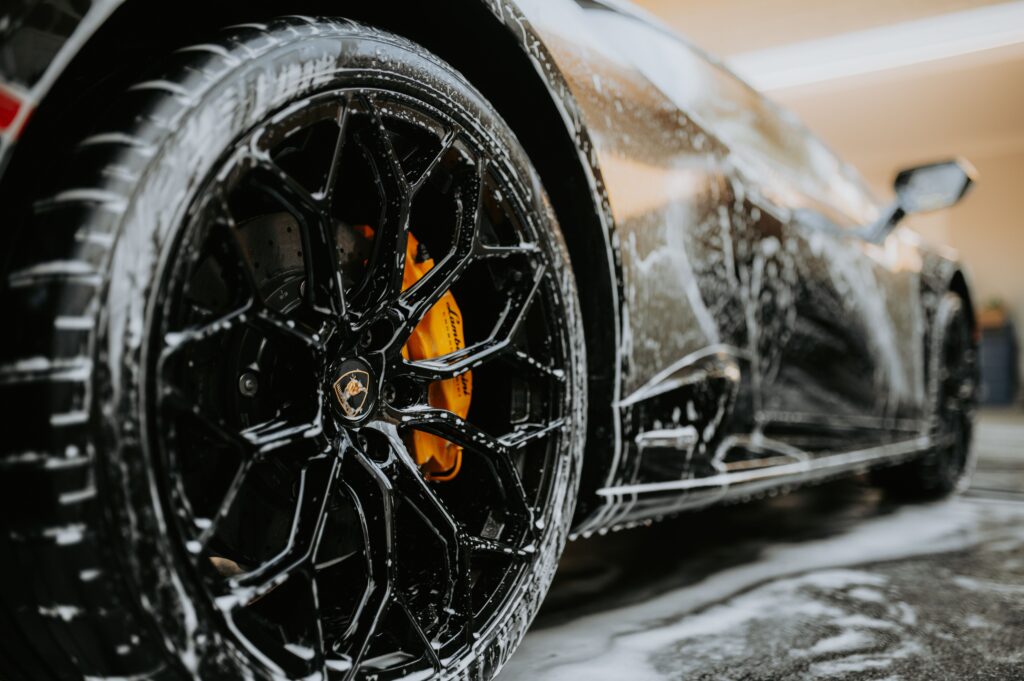
Both options benefit from proper washing techniques and pH-neutral automotive products. Coated vehicles are typically easier to clean because contaminants release more readily from the slick surface.
With film, keeping the edges clean and following the installer’s maintenance recommendations helps preserve the finish.
Which Protection Makes Sense for Ottawa Drivers?
Daily Commuters
Drivers who regularly commute on highways may benefit from combining ceramic coating with front-end film. The coating protects the rest of the vehicle from environmental contamination while film provides additional protection where stone impacts are most likely.
New Vehicle Owners
Applying protection while the paint is still in excellent condition can help preserve the factory finish before the vehicle goes through multiple Ottawa winters.
Older or Second Vehicles
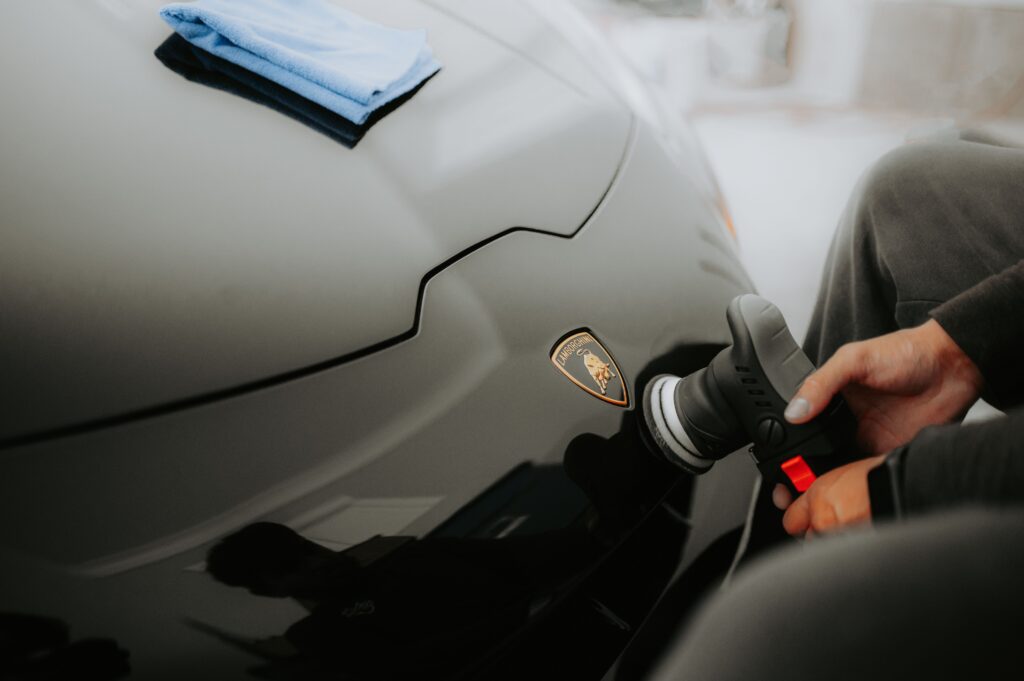
Ceramic coating can still make sense for an older vehicle, particularly when the paint is in good condition. If the finish has significant swirls or defects, paint correction can improve it before protection is applied.
Leased Vehicles
Ceramic coating may be a practical option for leased vehicles when the goal is easier maintenance and keeping the exterior looking well cared for without investing in extensive film coverage.
Can Ceramic Coating and PPF Be Used Together?
Yes. The two products can complement each other.
Paint protection film is installed first on high-impact areas, followed by ceramic coating over the vehicle and compatible film surfaces. This combination provides impact protection where it matters most while adding hydrophobic and environmental protection across the rest of the vehicle.
For a deeper look at ceramic protection, this guide to car ceramic coating and vehicle protection explains how coating works and what it can do for your finish.
Frequently Asked Questions
Which should I get first if my budget is tight?
Ceramic coating is often the more practical starting point because it can protect the entire vehicle and improve everyday maintenance. If rock chips are your biggest concern, prioritizing film on high-impact areas may make more sense.
Does paint protection film damage paint when removed?
Quality film installed and removed correctly should not damage a healthy factory finish. Removal can become more difficult when film is poor quality, damaged, or left beyond its recommended service life.
Can ceramic coating go over paint protection film?
Yes, provided the film and coating are compatible. Ceramic coating can be applied over suitable PPF to add hydrophobic properties and make the protected areas easier to maintain.
Do ceramic coating or PPF stop rust?
Neither product repairs existing rust. They can help protect the paint from environmental exposure and physical damage, but existing corrosion needs to be addressed separately.
Is PPF worth it for city driving only?
It depends on how much highway driving and road debris your vehicle encounters. If most of your driving is at lower speeds in the city, ceramic coating may provide more useful day-to-day protection.
How long does installation take?
Installation time depends on the vehicle, preparation, coating system, and amount of PPF being installed. Ceramic coating can require one or more days when proper preparation and curing are included, while larger PPF packages can take longer.
Choose the Protection That Fits Your Driving
Ceramic coating and paint protection film solve different problems. Coating makes everyday maintenance easier and helps protect against environmental contaminants, while PPF provides the impact resistance needed in areas exposed to stone chips.
Let Saiibu Autos help you choose the right protection for your vehicle, driving habits, and budget. Reach out to our team to discuss your options.