Ottawa winters put your paint through months of salt, brine, grit, freezing water, and temperature swings. The damage often starts long before you notice dullness, rust, or visible chips. Understanding what winter does to your finish makes it easier to choose the right car paint protection in Ottawa before the season gets severe.
What Winter Actually Does to Your Paint
Salt and Liquid Brine
Ottawa roads rely heavily on salt and liquid brine during winter. Brine sticks to lower panels, rocker sections, and wheel wells, where it can remain wet and increase the risk of corrosion around exposed chips and damaged areas.
Freeze and Thaw Cycles
Temperatures regularly move above and below freezing. Water can enter small chips and imperfections in the paint, then expand as it freezes. A minor chip left untreated can eventually develop into a larger paint or rust problem.
Sand and Road Grit
Winter grit gets thrown against the front bumper, mirrors, hood, and lower doors as traffic moves. Repeated exposure can leave the finish looking worn and contribute to surface scratches and chips.
Winter Washing Can Add Swirls
Keeping a car clean during winter is important, but the wrong washing method can create its own problems. Automatic brush washes can carry dirt from other vehicles and drag it across the paint. Some of the swirl marks visible in spring may come from poor washing technique rather than the road conditions themselves.
How Winter Paint Damage Develops
The First Few Weeks
Road film starts building up on the paint. The surface can feel rougher and lose some of its gloss, but much of the contamination can still be removed with proper cleaning.
Midwinter Buildup
Continued exposure to salt, moisture, and road grit puts more stress on unprotected paint. Chips and exposed areas also become more vulnerable to corrosion when moisture and salt reach the underlying surface.
What You See in Spring
Once winter grime is finally removed, the condition of the paint becomes much easier to see. Swirl marks, water spots, faded areas, and chips that developed during the season can suddenly become obvious in the spring sunlight.
This is also when searches for paint correction shops near me tend to increase as Ottawa drivers assess the damage left behind by winter.
Which Paint Protection Options Work in Ottawa?
Wax
Wax is affordable and easy to apply, but it does not provide long-term protection against months of salt, repeated washing, and harsh winter conditions. It may need frequent reapplication throughout the season.
Paint Sealants
Synthetic sealants generally last longer than traditional wax and can provide a useful middle ground for drivers who want more durability without the higher upfront cost of a coating.
Ceramic Coating
For many daily drivers, ceramic coating provides a longer-lasting layer of protection against environmental contamination and makes the surface easier to maintain. A professional ceramic coating creates a slick, hydrophobic surface that helps water and road grime release more easily during washing.
Paint Protection Film
Paint protection film is designed to handle physical impact as well as environmental exposure. It is particularly useful on high-impact areas such as the front bumper, hood, and mirrors where rock chips are common.
How to Protect Your Paint Before Winter
Winter protection works best when you prepare before the roads become heavily salted. Have existing chips addressed in the fall, apply your chosen protection before the worst conditions arrive, and keep washing throughout the season to remove salt and road grime.
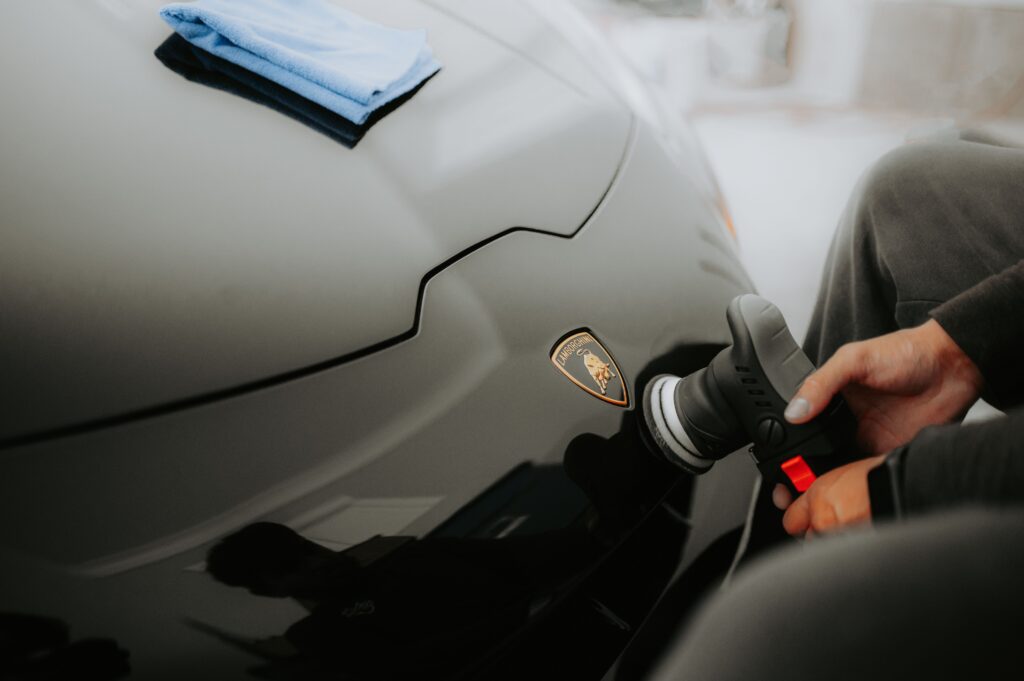
If the paint already has significant swirl marks or surface defects, paint correction can restore the finish before protection is applied.
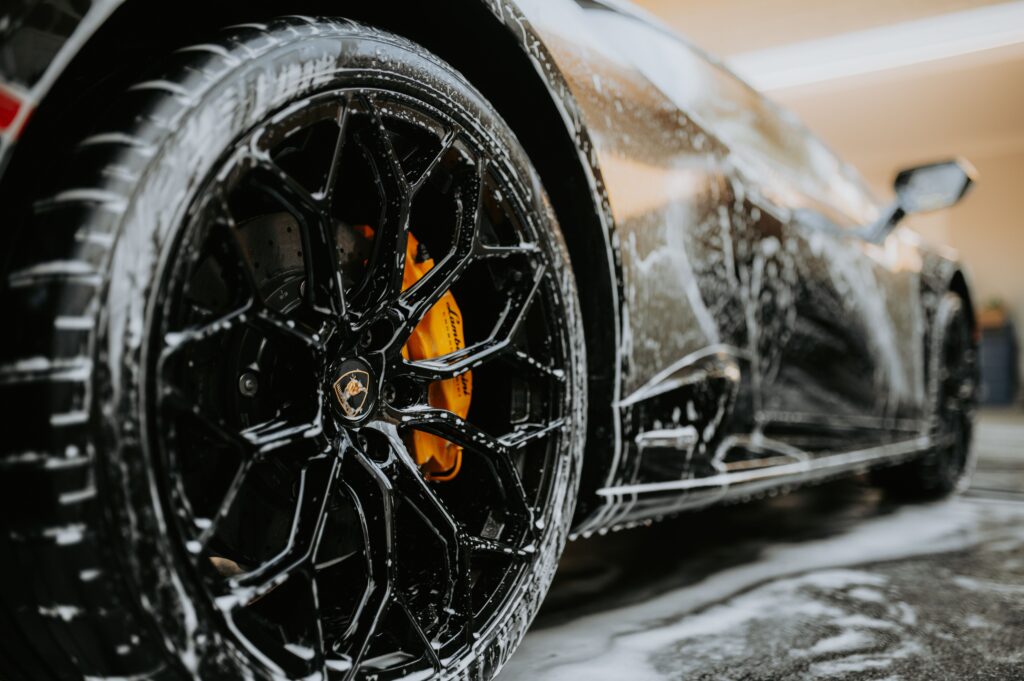
Regular washing is still important after protection. Aim to clean the vehicle approximately every two weeks during winter and include the lower panels and underbody where possible.
Frequently Asked Questions
Does car wax protect against road salt?
Wax provides some protection, but it is not designed to withstand months of heavy salt exposure without maintenance. Frequent winter washing can also reduce its durability.
Should I wash my car when it is below freezing?
Yes, provided you use a heated wash facility or another suitable environment. Dry door seals and other areas where water can freeze afterward to help prevent doors from sticking.
Does ceramic coating prevent rust?
Ceramic coating helps protect painted surfaces from environmental contamination, but it does not repair existing rust or replace dedicated underbody corrosion protection.
When is the best time to apply paint protection?
Early fall is a practical time to prepare for winter. Applying protection before regular salt and brine exposure gives the finish a protective layer before the harshest conditions arrive.
Are rock chips repairable?
Small chips can often be treated with touch-up methods before corrosion develops. Larger or more serious damage may require professional bodywork.
Is coating worth it on a leased car?
It can be worthwhile if you want to maintain the vehicle’s appearance and reduce the effects of winter exposure during the lease. The right option depends on the vehicle, lease term, and expected use.
Protect Your Paint Before Winter Sets In
Ottawa winter puts months of salt, grit, moisture, and temperature changes against your paint. Proper protection does not make a vehicle immune to damage, but it can make the finish easier to maintain and better prepared for the season.
Get your car ready before winter arrives with professional car paint protection in Ottawa from Saiibu Autos. Explore our ceramic coating service and schedule an appointment before the winter rush begins.